
Building a Product without Investment
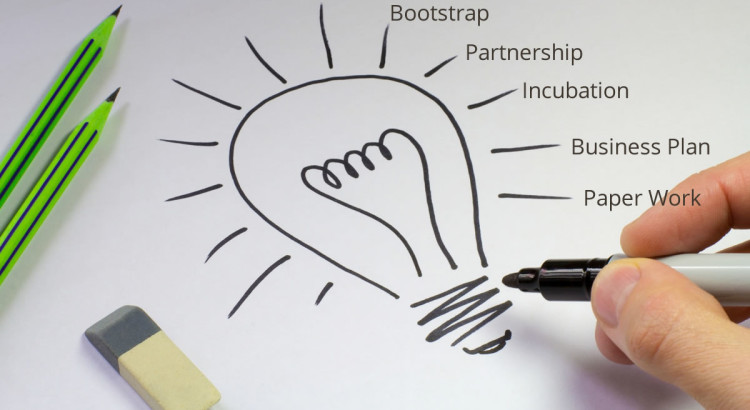
Introduction
Many aspiring entrepreneurs assume that funding is the first requirement for building a startup. In reality, ideas can be validated, planned, and even launched with limited resources by focusing on strategy, planning, partnerships, and resourcefulness.
Work on Paper First
Before developing a product, document the idea thoroughly. Create concept notes, workflows, business assumptions, customer profiles, and execution plans. Well-prepared documentation helps attract attention from potential supporters, incubators, and investors.
Create a Business Plan
A business plan demonstrates market understanding, revenue potential, and execution capability. Strong plans backed by research and realistic projections can open doors to partnerships and investment opportunities.
Join an Incubator
Startup incubators often provide workspace, mentorship, networking opportunities, and financial support. Universities and entrepreneurship centers frequently host incubation programs for innovative ideas.
Find Co-Founders
Partnering with people who complement your skills can significantly reduce startup costs. Technical co-founders, marketers, and business developers can contribute expertise in exchange for equity or future revenue sharing.
Bootstrap Your Startup
Use existing resources such as personal computers, savings, home offices, and available tools to launch the first version of the product. Bootstrapping allows founders to maintain control while validating the business model.